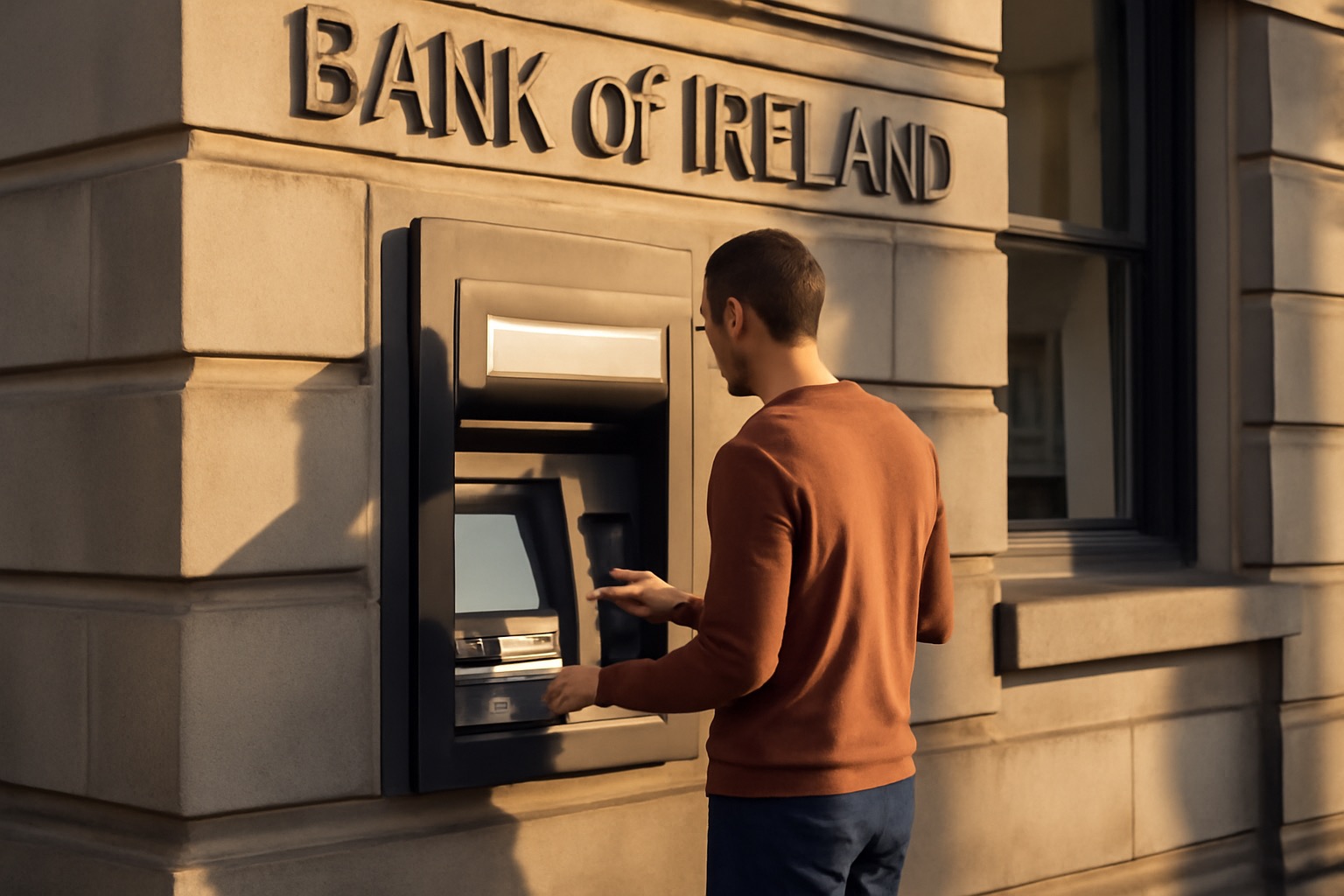
Navigate opening a bank account in Ireland. Compare traditional and digital banks, document needs, and strategies for newcomers.
Understanding Ireland's Banking Landscape
For international families settling in Ireland, a bank account is essential. It serves as a gateway to financial integration, supporting everything from receiving salaries to managing daily expenses. The Irish banking sector, however, presents a unique landscape with its blend of traditional and digital offerings. Understanding this landscape is pivotal for making informed decisions.
The traditional banking sector in Ireland comprises three main players: AIB, Bank of Ireland, and Permanent TSB. This narrowed field results from the exits of Ulster Bank and KBC Bank. AIB, with its extensive branch network, is a popular choice for many. Bank of Ireland, known for its comprehensive offerings, is a cornerstone for those seeking mortgages. Meanwhile, Permanent TSB is often a go-to for newcomers due to its relatively lenient documentation process.
In contrast, digital banks like Revolut and N26 offer a modern banking experience. Revolut, in particular, has become a dominant force with its user-friendly interface and features like instant account setup and favourable currency exchange rates. While digital banks are convenient, they are not typically suitable as the sole banking solution due to limitations with payroll systems and traditional financial institutions' preferences for traditional bank statements.
Navigating Traditional Banking Requirements
Opening a traditional bank account in Ireland is not a spontaneous affair. The process requires planning and usually starts online. Prospective account holders must fill out an application online, upload necessary documents, and sometimes attend a branch appointment for identity verification. This structured approach is crucial for managing expectations and timing.
Key documents required include proof of identity and proof of address. While identity proof is straightforward, typically needing just a valid passport, address proof can be challenging for newcomers. Utility bills, government letters, and registered lease agreements are the preferred forms of address proof, yet these can be hard to obtain immediately after arrival.
For international families, the rigidity of these requirements can be daunting. Consequently, it is important to strategise, perhaps by securing a landlord letter paired with their utility bill or an HR letter confirming employment and residency. Addressing these documentation needs upfront smoothens the journey to securing a traditional bank account in Ireland.
The Digital Banking Alternative
Digital banks like Revolut and N26 offer attractive features that make them an appealing option for new arrivals in Ireland. Revolut, renowned for its ease of setup, requires minimal documentation, typically just a passport and a selfie. This ease makes it an excellent starting point for newcomers needing immediate banking functionality.
These digital alternatives offer benefits such as seamless currency exchange, budgeting tools, and a streamlined mobile interface. However, reliance solely on digital banks in Ireland presents constraints. Many employers and financial institutions either do not accept or struggle to integrate with the IBANs provided by these digital banks, complicating salary deposits and financial assessments.
Thus, while digital banks work well as supplementary accounts, they should complement rather than replace traditional bank accounts. Newcomers can benefit from using a digital bank initially to manage early transactions, then transition to a traditional account once sufficient documentation is secured.
Overcoming the Address Proof Challenge
The requirement for proof of address is often the most significant hurdle for newcomers opening a bank account in Ireland. This part of the process can feel like a catch-22, as newcomers often lack the documentation that relies on an established residency.
Strategies to overcome this challenge involve lateral thinking and leveraging available resources. One effective strategy is obtaining a letter from your landlord confirming your residency, accompanied by a utility bill in their name. This combination has been accepted by several banks.
Another approach is the 'Revolut-first' strategy, where families initially secure a Revolut account, using it for transactions. These statements can then serve as supplementary evidence when applying for a traditional account. In many cases, presenting a combination of international documentation alongside these creative solutions can help satisfy the stringent requirements of Irish banks.
Account Types and Associated Costs
Understanding the types of accounts available is crucial when opening a bank account in Ireland. The most common is the current account, which facilitates everyday financial transactions. It includes features like a contactless-enabled debit card, online and mobile banking, standing orders, and direct debit facilities.
Traditional banks in Ireland typically charge quarterly maintenance fees for current accounts, ranging from EUR 15 to EUR 30. While these charges are standard, they are an important factor to consider when budgeting for your banking needs. Some banks offer reduced fees or exemptions for students and those who maintain a minimum balance.
Additionally, some digital banks provide basic banking services without monthly fees, appealing to cost-conscious individuals. However, the limitations of digital banks, particularly in terms of widespread acceptability for salaries and mortgages, mean they are best used in conjunction with a traditional account.
Practical Tips for New Immigrants
For new immigrants, opening a bank account in Ireland involves strategic planning and understanding local nuances. Arriving prepared with necessary documentation, such as passport copies and any official correspondence from your home country, can streamline the process.
Consider starting with a digital bank like Revolut to immediately engage in financial activities. This step provides a temporary solution while accumulating the necessary documentation for a traditional bank account. As you settle, keep track of potential address proofs such as utility bills or leasing agreements that can be used when applying at traditional banks.
Networking is another invaluable tool; connecting with other expatriates or local residents might reveal tips or recommendations specific to your circumstances. Employment in a recognised company can also aid in obtaining a bank account, as employers are often willing to assist in providing necessary documentation. These practical steps can significantly ease your integration into the Irish banking system.
Navigating Challenges and Embracing Opportunities
While opening a bank account in Ireland can present challenges, particularly around documentation, it is also an opportunity to familiarize yourself with the local financial landscape. Recognising the complementary roles of traditional and digital banks can facilitate a robust financial strategy, balancing convenience with compliance.
Embrace the flexibility digital banks offer while appreciating the necessity of traditional accounts for long-term financial commitments such as loans or mortgages. This duality is not only pragmatic but also reflective of Ireland's evolving banking environment.
Remember, the process of financial integration is a step-by-step journey. Taking proactive measures, staying informed, and seeking advice when necessary can turn potential obstacles into manageable tasks. By understanding the system and strategically planning your approach, you can effectively navigate the complexities of opening a bank account in Ireland, ensuring your family's financial needs are met efficiently and securely.
About Peterson Family Office
Peterson Family Office Limited was established in Dublin in 2022, serving high-net-worth international families with a focus on education pathway planning, tax advisory, and long-term family strategy. Our philosophy — Professional · Disciplined · Long-term Commitment — guides every aspect of our work. We combine deep knowledge of the Irish and European landscape with a genuine understanding of the needs of families relocating from Asia and beyond.
Our three core service areas — Education Pathway Planning, the 1+1 Dual Mentorship System, and Family Office Services — work together to support families at every stage of their journey in Ireland. To learn more about how we can help your family, visit About Peterson Family Office.
Related Articles

Navigating Dublin's Best Family Neighbourhoods
Discover the top Dublin neighbourhoods for international families, complete with schools, amenities, and lifestyle tips.

Ireland Monthly Weather Breakdown for Relocating Families
Prepare for Ireland's monthly weather changes. Detailed guide for relocating families with real-world examples.

Seasonal Activities for Families in Ireland
Discover diverse seasonal activities in Ireland for families, enhancing your relocation experience with cultural and recreational events.