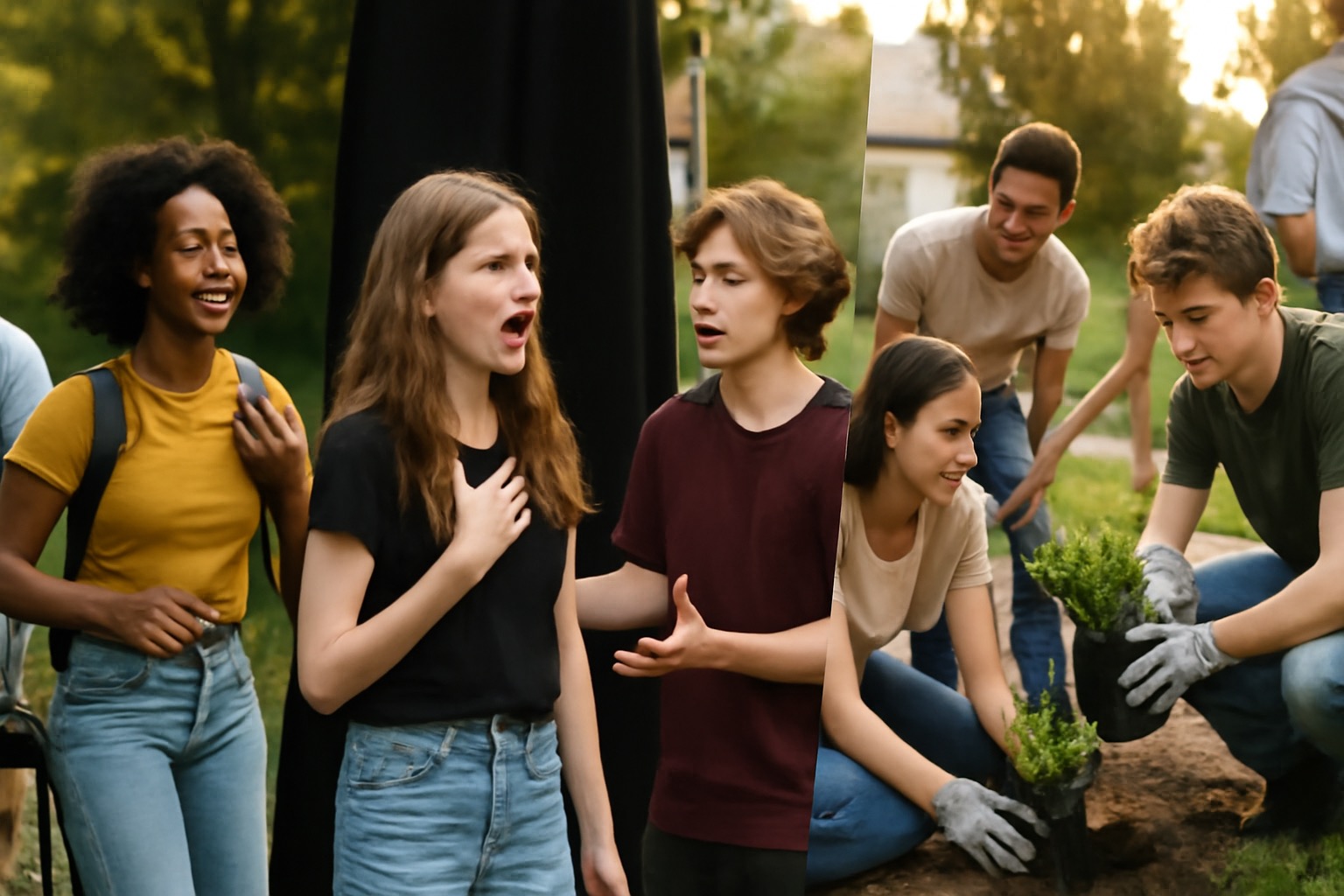
Explore Transition Year in Ireland: what it is, why it matters, and tips for international students to make the most of this unique gap year.
What Is Transition Year in Ireland?
The Transition Year (TY) in Ireland is a unique educational programme, often bewildering to international families unfamiliar with its structure and purpose. Positioned between the Junior and Senior Cycle, TY serves as a flexible, exam-free academic year typically undertaken by students aged 15 or 16. This concept, introduced in 1974, has been embraced across Ireland, with approximately 75% of eligible students choosing to participate. The lack of high-stakes testing allows students to explore a diverse range of subjects and activities, fostering a deeper sense of personal and academic growth.
Each school's TY programme is distinct, shaped by its ethos, resources, and community ties. While the Department of Education provides overarching guidelines, schools enjoy significant autonomy in designing their curriculum. This flexibility results in a rich tapestry of experiences, from academic tasters and work placements to creative arts and personal development workshops. The aim is to nurture well-rounded individuals prepared for the complexities of modern life.
International students, particularly those from high-pressure academic systems, may find TY's emphasis on holistic development both refreshing and challenging. Unlike the rigid curricula they might be accustomed to, TY focuses on broadening horizons and building essential life skills. Understanding the essence of TY is crucial for families considering or navigating the Irish educational landscape, as it underscores a broader educational philosophy that values critical thinking, adaptability, and social responsibility.
The Structure of Transition Year Programmes
A typical Transition Year programme offers a mosaic of learning opportunities that go beyond traditional academics. Schools often introduce students to new subjects, such as Economics, Computer Science, or additional languages, which may not feature in the Junior Cycle. These academic tasters help students make informed decisions about their subjects for the Senior Cycle. For instance, a school might offer a short course in Philosophy, encouraging students to engage in critical thinking and debate.
Work experience is a cornerstone of TY, providing students with valuable insights into various career paths. Placements can range from a week at a local tech company to a fortnight in a hospital. For international students, this is an invaluable chance to immerse themselves in Irish workplace culture and practice professional English. Schools like St. Andrew's College in Dublin have well-established links with local businesses, ensuring diverse placement options for their students.
The creative and performing arts are also integral to many TY programmes. Students may participate in drama productions, music ensembles, or visual arts projects. These activities not only cultivate artistic skills but also enhance teamwork and self-expression. For a student from China, where arts participation might have been limited, engaging in a school play can be a transformative experience, fostering confidence and camaraderie.
Why Transition Year Matters for International Students
Transition Year holds particular significance for international students, offering them a chance to acclimate to a new educational and cultural environment. One of the most immediate benefits is language adaptation. In a low-pressure setting, students can focus on improving their English skills without the anxiety of impending exams. Interaction with peers through group projects and social activities further accelerates language acquisition, preparing them thoroughly for the Senior Cycle.
Cultural integration is another critical aspect. TY programmes are inherently social, encouraging collaboration and interaction. International students often find that the friendships formed during this year provide them with a genuine support system and insight into Irish ways of life. For a student from South Korea, the informal learning environment of TY can be a welcome contrast, allowing for personal expression and cultural exchange.
The year also fosters emotional maturity. The shift from a rigid, exam-centric education system to the freedom of TY can be disorienting at first. However, this transition encourages students to take responsibility for their learning and personal growth. By planning projects and managing their time, students develop autonomy and resilience. This maturation process equips them with skills that are invaluable not just in education, but in life.
Maximising the Benefits of Transition Year
To make the most of Transition Year, international students should approach it with a spirit of exploration and openness. Engaging fully in all activities offered is crucial. This includes seizing opportunities for work experience, which not only enhances employability but also enriches cultural understanding. For students at institutions like Loreto College, engaging in community projects can also be particularly rewarding, offering a deeper connection to the local environment.
Proactively seeking out new experiences is key. Whether it's trying a new sport, joining a club, or participating in a mini-company programme, these activities are where the most growth happens. Schools like Gonzaga College offer diverse extracurricular options that cater to a wide range of interests, making it easier for students to find their niche and flourish. International students should take advantage of these opportunities to expand their horizons and build new skills.
Parents can support their children by encouraging reflection and discussion about the experiences gained during TY. This can be via regular conversations or keeping a reflective journal. Understanding the value of each activity helps students consolidate their learning and recognise how their skills are developing. Ultimately, the more active and engaged the student is during TY, the more they stand to gain, both academically and personally.
Challenges and Considerations for International Families
While Transition Year offers numerous benefits, it also presents challenges, particularly for families unfamiliar with its structure. One common concern is the perceived 'gap' in academic learning, as TY does not involve traditional exams. However, this gap is filled with experiences that develop critical soft skills often valued by universities and employers. Families should focus on the broader educational goals rather than traditional metrics of academic success.
Adapting to a new education system can also be daunting for international families. Understanding the nuances of TY requires research and communication with the school to ensure that expectations align. Schools like Mount Temple Comprehensive are known for their inclusive approach and support for international students, which can ease this transition. Engaging with school events and parent committees can provide additional insights and support.
Financial considerations also play a role. While public schools in Ireland do not charge tuition fees for TY, some associated costs, such as for trips or special programmes, may arise. Families should budget for these expenses to ensure their child can participate fully in all aspects of TY. Understanding these challenges and planning accordingly can help families maximise the benefits of this unique educational year.
Comparing Transition Year to Other Educational Models
Transition Year is unique to Ireland, with no direct equivalents in many other countries. In the UK, for example, the education system is more exam-oriented, with a clear focus on GCSEs and A-levels. The absence of a year like TY means students often miss out on the holistic development opportunities it provides. For international students, particularly from education systems such as those in China or Singapore, where academic pressure is intense, TY offers a respite and a chance to explore broader interests.
In the United States, while there are gap year opportunities, they typically occur between secondary school and university, rather than being integrated into the school curriculum. This makes TY distinct as it is embedded within the secondary education framework, ensuring that students remain under the guidance and support of their schools while exploring alternative learning experiences.
For families considering relocation to Ireland, understanding these differences is crucial. It allows them to appreciate the value of TY not just as an academic year, but as a formative life experience. This broader perspective can be especially beneficial for students who thrive in environments that balance structure with freedom, preparing them comprehensively for future academic and career pursuits.
Conclusion: Embracing the Transition Year Experience
Transition Year in Ireland is more than just a break from traditional schooling; it's a platform for personal and academic growth that international students can leverage to their advantage. By participating in TY, students gain a unique opportunity to refine their English, integrate culturally, and develop essential life skills that will serve them well in higher education and beyond.
For international families, embracing TY requires understanding its purpose and potential. It's about looking beyond the immediate academic outcomes and recognising the holistic benefits that this year can offer. Engaging actively in all aspects of TY, from academic tasters to work experience and community service, can lead to significant personal transformation.
As families navigate their educational journey in Ireland, Transition Year stands out as a pivotal moment. It's a time of exploration and discovery, where students can truly define their interests and aspirations. By supporting their children in making the most of this unique educational opportunity, families can ensure a smooth transition into the next phase of their academic and personal lives.
About Peterson Family Office
Peterson Family Office Limited was established in Dublin in 2022, serving high-net-worth international families with a focus on education pathway planning, tax advisory, and long-term family strategy. Our philosophy — Professional · Disciplined · Long-term Commitment — guides every aspect of our work. We combine deep knowledge of the Irish and European landscape with a genuine understanding of the needs of families relocating from Asia and beyond.
Our three core service areas — Education Pathway Planning, the 1+1 Dual Mentorship System, and Family Office Services — work together to support families at every stage of their journey in Ireland. To learn more about how we can help your family, visit About Peterson Family Office.
Related Articles
Affordable Childcare Options for Working Parents in Dublin
Explore top affordable childcare options in Dublin for working parents, including quality preschools and after-school programs.
Childcare Facilities for Global Families in Dublin
Explore tailored childcare options in Dublin for international families, ensuring a smooth cultural transition.
Ireland University Admission Success Stories: Real Student Journeys
Discover real Ireland university admission success stories with students gaining entry to top institutions like Imperial and Oxford through strategic planning.